How to Fix ‘Not Able to Uninstall’ Windows Update 50802/808 and Resolve Printing Issues (With System Restore and Update Pause)
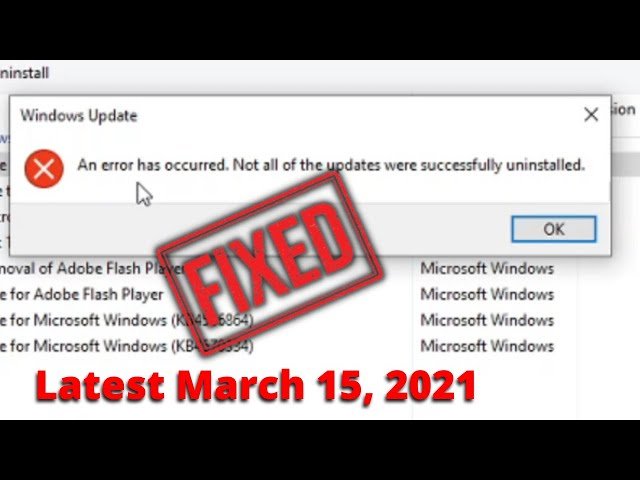
In this video, the viewer walks through diagnosing and repairing an error that occurs when attempting to uninstall a Windows update. The author demonstrates the exact message that appears, explains why the uninstall may fail, and then provides practical steps to restore normal printing functionality. To begin doing the same, start by identifying the specific update you’re trying to remove, check the official update details in the Microsoft Update Catalog, and be prepared to try a few fallback methods if the standard uninstall does not succeed. This approach also helps you avoid repeated installations of problematic updates while a permanent fix is being worked out.
Understanding the Uninstall Error and Affected Updates
The process begins by attempting to uninstall a recent Windows update that is suspected of causing a printing issue. When the uninstall is attempted, the system may return an error indicating that the update could not be successfully removed. It’s important to verify which update is responsible, for example by checking the Windows Update history and noting the particular update build (such as the one linked to the printing problem). This step also involves confirming whether the update is still listed in the update catalog, which can help you determine if Microsoft has pulled or still has the update available for download on the server and who might be affected by it.
Assessing Availability and Temporary Workarounds
If the uninstall fails and no official fix is immediately available, you can review the update’s documentation and any advisories from Microsoft about post-install issues. In some cases, a temporary workaround is discussed or documented, such as applying a known corrective action or temporarily restoring system components while Microsoft investigates. Since it may take time for a comprehensive fix, it’s useful to prepare a contingency plan that does not involve repeatedly reinstalling the problematic update, particularly if it intermittently reappears in the update catalog.
Using System Restore to Revert Windows to a Previous State
If other methods fail to remove the problematic update, a practical option is to restore the computer to a previous state where the update had not yet been installed. Start by opening the Windows search, typing “system restore,” and launching the restore utility. Ensure the correct drive is selected—the one containing Windows installation—and click Next to view available restore points. Choose a date prior to the March 9 Windows release or the date when the update was installed, then proceed with the restoration. This reverts system files and settings to the chosen point in time, which can resolve the uninstall error without affecting personal files. After the restore completes, the system should reflect the state before the troublesome update was applied.
Pausing Windows Update to Prevent Reinstallation
Once the system is restored to a previous date, prevent the same update from reinstalling automatically by pausing Windows Update for a short period. In Settings, navigate to Update & Security, select Advanced options, and use Pause updates to temporarily stop new updates from being installed. Set the pause duration to cover the window during which the issue is being resolved, for example a few weeks. This gives you time to monitor Microsoft’s response, test the system after the restore, and avoid the recurring installation of the problematic update until a fix or a safe version is released.
Next Steps, Testing, and When to Seek Official Resolution
After pausing updates and restoring the system, return to Windows Update to check for a safe, non-problematic update to install, or wait for Microsoft to provide a patched version. If the issue persists or the affected printer functionality does not return, it may be necessary to reattempt the uninstall with updated guidance from Microsoft or to perform alternative recovery actions recommended by official support channels. Throughout this process, monitor printer behavior, confirm driver compatibility, and keep a record of the updates installed so you can report precise details if you need to contact support.